
Can luck really influence your casino outcomes?
The Nature of Luck in Gambling
Luck plays a pivotal role in the realm of gambling, and understanding its influence can considerably shape a player’s approach and mindset. Many gamblers have experienced streaks of fortune or misfortune, leading to the common belief that luck is a significant factor in determining outcomes. When players step into a casino, they often hope that luck will be on their side, especially when they explore the top 10 online casino australia real money options available to them, hoping to turn their modest bets into substantial winnings. This psychological aspect of gaming can affect players’ decisions, influencing the way they wager and interact with games.
However, luck is inherently unpredictable and can fluctuate dramatically. Gamblers might attribute their successes to luck, while their losses may lead them to believe the fates have turned against them. This dual nature of luck can create a rollercoaster of emotions that influences the overall gambling experience. For instance, a player who wins consistently in a short span might consider themselves lucky, while another facing repeated losses may feel unfortunate. This perception can lead to a cycle where emotions dictate gameplay, affecting both strategy and financial management.
At its core, luck is often seen as a random chance, separate from skill and strategy. In games of pure chance like slots or roulette, the outcome is purely based on luck, whereas games like poker involve skill and strategy intertwined with chance. Despite this, many enthusiasts cling to the notion that luck can be cultivated and that there are methods to harness it. Such beliefs fuel tales of rabbit’s feet, lucky charms, and rituals that players undertake to sway fortune in their favor. Understanding these psychological underpinnings can illuminate why players behave the way they do in high-stakes environments.
The Science Behind Chance and Probability
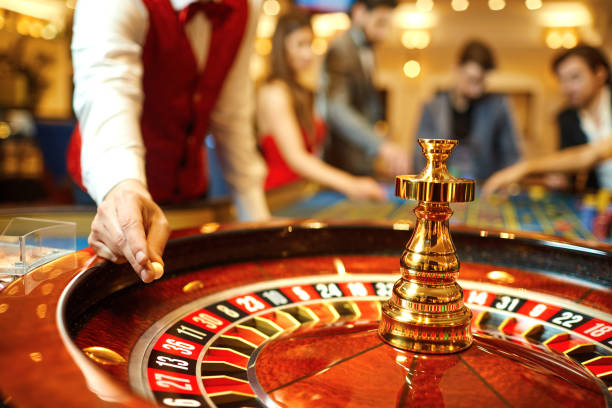
The relationship between luck and outcomes in a casino is heavily governed by principles of chance and probability. Each game in a casino has well-defined odds that dictate the likelihood of various outcomes. For example, the odds of hitting a specific number in roulette are fixed, and understanding these odds is crucial for players wanting to make informed decisions. By comprehending the probabilities, gamblers can gauge the risks associated with their bets and formulate strategies that maximize their potential for wins, irrespective of luck.
Casino games are designed with a built-in house edge, ensuring that over time, the casino will profit from every game played. This edge varies by game and impacts how luck can influence outcomes over the short versus long term. While a player might enjoy a winning streak due to luck on a particular day, statistically, the house always has the advantage. Hence, in the long run, luck may balance out, resulting in outcomes that tend to favor the casino, regardless of individual lucky moments.

Interestingly, statistical analysis has shown that while luck can certainly influence individual outcomes, over the long haul, the results will reflect the underlying probabilities of the games. Players who rely solely on luck without understanding the games they play may encounter disappointing results. Conversely, those who study strategies and apply probability concepts can enhance their experience and improve their odds, even in games heavily based on chance. This knowledge transforms luck from a mere hope into a calculated risk, affecting how players perceive and engage with gambling.
The Psychological Impact of Luck on Gamblers
The psychology of gambling is deeply intertwined with the concept of luck. Players often develop narratives around their experiences, creating a personal mythology of luck that informs their playstyle and decisions. Superstitions, for example, are ubiquitous in casinos, with many gamblers holding onto rituals that they believe may influence outcomes in their favor. This psychological need for control can lead players to behave in ways that sometimes contradict rational game strategies, as they seek comfort in their beliefs about luck.
Furthermore, the impact of luck on a player’s mindset can lead to what’s known as the ‘gambler’s fallacy.’ This is the erroneous belief that past events influence future outcomes in games of chance. For instance, a player might think that a particular slot machine is ‘due’ for a payout after a series of losses, when in reality, each spin is independent and carries the same odds as the last. This misunderstanding of luck and chance can lead to poor decision-making and increased losses, as players chase after their perceived luck rather than focusing on sound strategies.
Casinos often capitalize on the psychological relationship between players and luck, creating an environment that enhances the thrill of the gamble. The flashing lights, intoxicating sounds, and the excitement of the winning moments all contribute to a heightened emotional state. This atmosphere can encourage players to continue betting, often leading to prolonged gaming sessions fueled by the hope that luck will eventually turn in their favor, despite the odds stacked against them. Understanding this dynamic can help players navigate their emotions and make more rational choices during gameplay.
Strategies to Mitigate the Role of Luck
While luck is an undeniable aspect of gambling, players can employ strategies to mitigate its influence on their overall outcomes. One effective approach is setting clear budgets and limits before engaging in any gambling activities. By establishing a financial framework, players can navigate the unpredictable nature of luck with greater security. Managing bankrolls effectively helps players remain disciplined and avoid the pitfalls of chasing losses, a common behavior driven by the desire to regain lost funds. This self-discipline is crucial for maintaining a healthy gambling practice.
Furthermore, players should consider choosing games that offer a higher return to player (RTP) percentage. Games with favorable odds can balance out the role of luck, providing better long-term outcomes. For instance, blackjack has a relatively low house edge compared to other games, allowing skillful players to employ strategies that enhance their chances of winning. Understanding the games they play and utilizing effective strategies can serve as a hedge against the randomness of luck, enabling players to take more calculated risks.
Moreover, staying informed about the various betting strategies and understanding when to walk away is crucial for maintaining a positive gambling experience. The key is to remember that while luck can create fleeting moments of joy or disappointment, a well-informed player can significantly reduce the impact of luck, enhancing their overall enjoyment and outcomes while playing in a casino. Education about games, odds, and personal limits ensures that players remain in control of their gambling experience.
Exploring Responsible Gambling Practices on Our Platform
At our website, promoting responsible gambling practices is at the forefront of our mission. We aim to provide players with the necessary resources and tools to enjoy their gaming experiences safely and responsibly. By fostering a healthy approach to gambling, we encourage our users to understand their limits and the importance of playing for entertainment rather than solely for profit. We believe that education is key in helping players navigate the complexities associated with luck and chance.
Additionally, our platform offers various tips and strategies to enhance your understanding of the games you love. Through informative guides and articles, we aim to empower players to make informed decisions that maximize their enjoyment while recognizing the role that luck plays in their gaming experiences. Our community emphasizes sharing knowledge, discussing strategies, and learning from each other to cultivate a more supportive environment, where players can thrive without succumbing to the pressures of luck.
Ultimately, our commitment to responsible gaming extends beyond offering games. We ensure that our players have access to support and resources for managing their gambling habits. Whether you need tips on setting limits or help understanding the odds, we are here to assist. By prioritizing responsible gambling, we hope to create a thriving community where luck and skill can coexist harmoniously, leading to enjoyable and rewarding experiences for all players. With the right mindset and resources, players can transform their approach to gambling into a responsible and enjoyable pastime.