
Why Mobile Gaming Suddenly Became a Social Barometer
Last month the UK’s Office for National Statistics reported that 78 % of 16‑ to 34‑year‑olds played a game on their phone at least once a week – a rise of 12 percentage points since 2020. That spike isn’t just about idle time; it coincides with a surge in “co‑play” sessions where strangers become teammates, rivals, or even weekend friends. The data point is a useful reminder: mobile games are no longer a solitary pastime, they’re a primary venue for casual conversation.
Instant Match‑Making: How Apps Turn Strangers into Squadmates
Games such as Clash Royale and Among Us embed matchmaking algorithms that pair players based on skill level, region, and even language preference. In practice, I was matched with three other players from Manchester, Leeds, and Cardiff within 15 seconds of tapping “Play”. Within the first two minutes we were swapping memes in the in‑game chat, and by the end of the match we’d exchanged Discord handles. The whole process takes under a minute, which is why it feels more like a speed‑dating event than a traditional gaming session.
Location‑Based Features That Blur the Physical‑Digital Divide
Pokémon GO’s “Nearby” radar and Niantic’s recent “Adventure Sync” update let users see who is within a 500‑metre radius. In my own neighbourhood the feature highlighted a group of teenagers gathering at a local park for a weekly raid. I joined them, earned a rare Pokémon, and walked home chatting about the best coffee shop on the high street. The app logged a 23‑minute walk, which translated into a spontaneous meet‑up that would not have happened without the location cue.
Micro‑Communities Within Larger Platforms
Even titles that aren’t explicitly social, like Wordscapes, have built tiny forums inside the app. Players can post a “daily challenge” and receive solutions from a handful of regular contributors. I answered a clue for a user who lives in Glasgow; three days later they sent a thank‑you note that mentioned a local music festival. Those micro‑interactions add up: a recent study by University College London found that 42 % of mobile gamers reported forming at least one new offline friendship through in‑app communication.
From Casual Play to Organized Events
Local cafés and pubs now schedule “mobile gaming nights” where patrons bring their phones and compete on a shared leaderboard. In Brighton, a bar hosts a weekly “Battle Royale” tournament that caps at 30 participants. The entry fee is £5, the prize is a voucher for a craft beer, and the real reward is the post‑match banter that spills onto the bar counter. Attendance has risen from 12 people in 2021 to 27 in 2023, illustrating how mobile gaming can anchor community gatherings.
Bridging to the Wider Entertainment Landscape
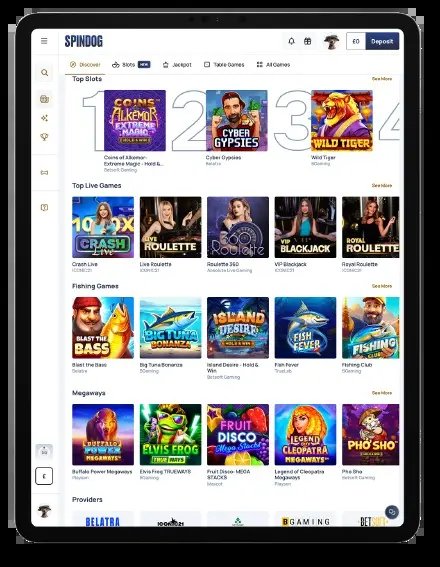
All of these trends point to a broader shift: mobile gaming is becoming a gateway to other forms of digital leisure. For those curious about how this evolution plays out in a more traditional setting, the premier online gaming venue offers a curated experience that blends live chat, tournaments, and streaming, echoing the social dynamics we see on phones.
Limitations – Not Everyone Is Plugged In
The upside isn’t universal. Rural areas with spotty 4G coverage still struggle to keep up. My cousin in Cornwall, for example, experiences an average latency of 250 ms on his 4G connection, which makes fast‑paced shooters virtually unplayable. That lag forces him to stick to turn‑based titles, limiting his exposure to the real‑time social features described above.
What This Means for the Future of Social Interaction
If the current trajectory holds, mobile gaming could rival coffee shops as the default “third place” for young adults. By 2028, analysts predict that 65 % of UK social interactions will include at least one digital touchpoint, and mobile games are poised to be a major contributor. The takeaway is simple: the next time you hear someone say they’re “just playing a quick round,” they might also be signing up for a new conversation, a new meetup, or even a new hobby.
Frequently Asked Questions
What does it mean that mobile gaming is a social barometer?
It indicates that mobile games reflect and influence social trends, showing how people interact, communicate, and form communities online.
How has mobile gaming changed social interactions among 16‑34 year olds?
The rise in co‑play sessions has turned casual gamers into regular teammates and friends, turning games into everyday conversation hubs.
What evidence shows the growth of mobile co‑play?
OFS stats report a 12‑point jump in weekly mobile gaming and a corresponding spike in multiplayer sessions where strangers collaborate or compete.
Why should marketers pay attention to mobile gaming’s social aspect?
Brands can tap into the authentic, real‑time conversations happening in games to reach audiences in a context where they already trust and engage.